



Why T2 High-Purity Copper is Essential for Low-Impedance Connections
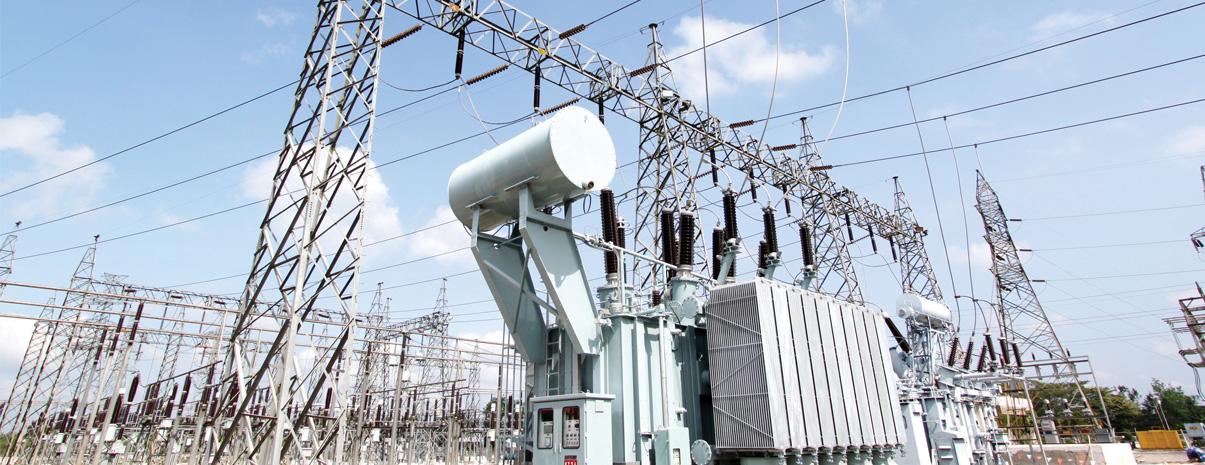
In the field of electrical engineering, the quality of a connection is defined by its resistance. Whether you are designing a high-capacity power distribution cabinet or a high-fidelity audio system, the material of your terminals—specifically the purity of the copper—dictates the efficiency, safety, and longevity of the entire circuit. At XLUIG, we prioritize T2 High-Purity Copper for a simple reason: it is the foundation of low-impedance connectivity.
The Conductivity Benchmark: T2 Copper vs. C11000
When engineers compare T2 copper conductivity vs C11000, they are looking at more than just numbers. T2 copper (equivalent to C1100 in many standards) typically maintains a copper content of over 99.9%. While C11000 is an electrolytic tough pitch (ETP) copper, the specific processing and impurity control in T2 grade ensure consistent IACS (International Annealed Copper Standard) ratings above 97-100%.
| Material Property | T2 Copper (XLUIG Standard) | Generic C11000 / ETP |
|---|---|---|
| Copper Purity | ≥ 99.9% | ≥ 99.9% (Variable) |
| IACS Conductivity | 98% – 100% | 95% – 97% |
| Impedance Level | Ultra-Low | Standard |


Oxygen-Free Copper vs. T2 Copper for Terminals
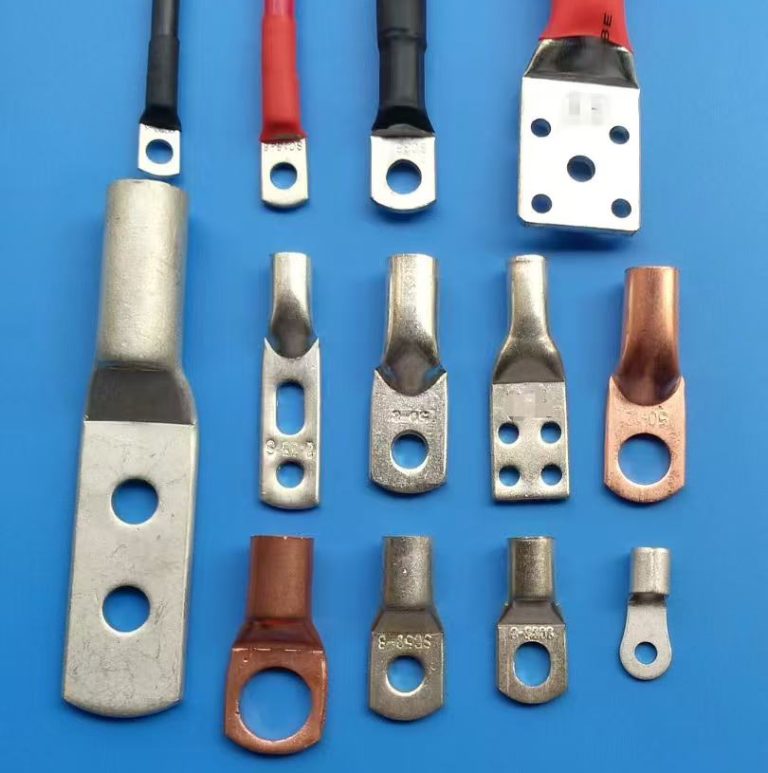
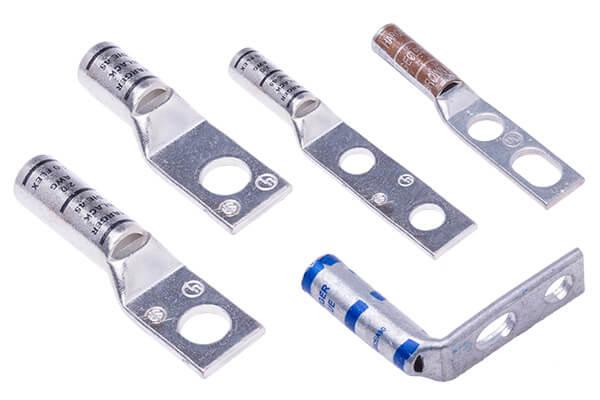
A common question arises: Oxygen-free copper vs T2 copper for terminals—which is better? Oxygen-free copper (OFC) offers the highest purity but is often more susceptible to hydrogen embrittlement in certain industrial atmospheres and is significantly more expensive. T2 copper strikes the “Golden Balance,” providing nearly identical conductivity for electrical terminals while offering better mechanical workability and cost-efficiency for mass-produced high purity copper lugs for power distribution.
The Effect of Copper Purity on Terminal Temperature Rise
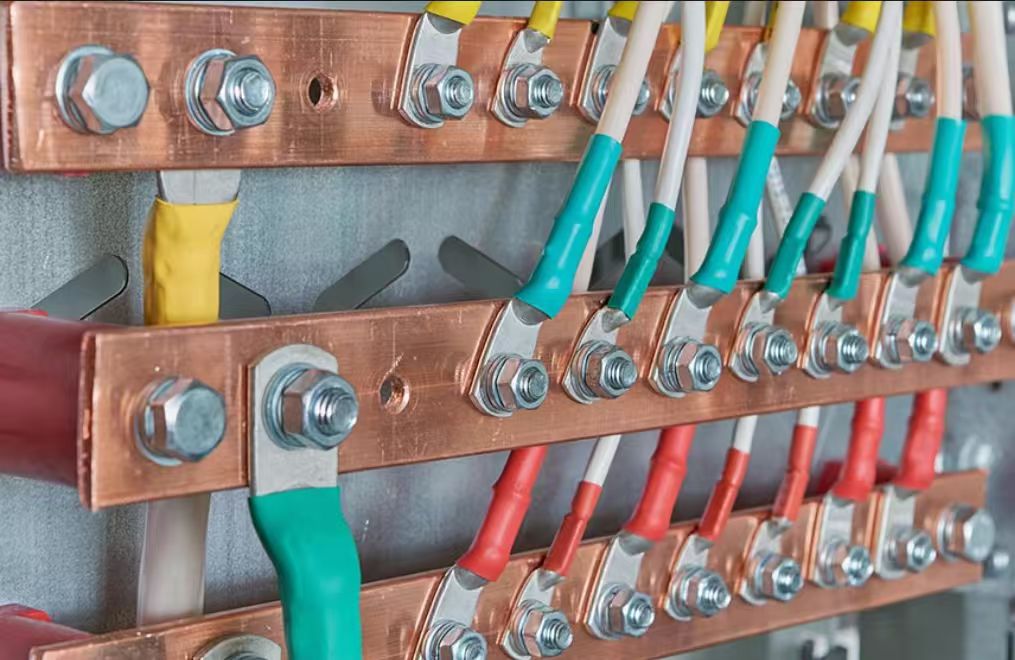
Safety in electrical systems is closely tied to thermal management. The effect of copper purity on terminal temperature rise is a direct linear relationship. Impurities in the copper lattice act as “speed bumps” for flowing electrons, creating friction in the form of heat. In high-current applications, even a 1% decrease in purity can lead to a significant increase in operating temperature, accelerating oxidation and potentially leading to thermal runaway or circuit failure.
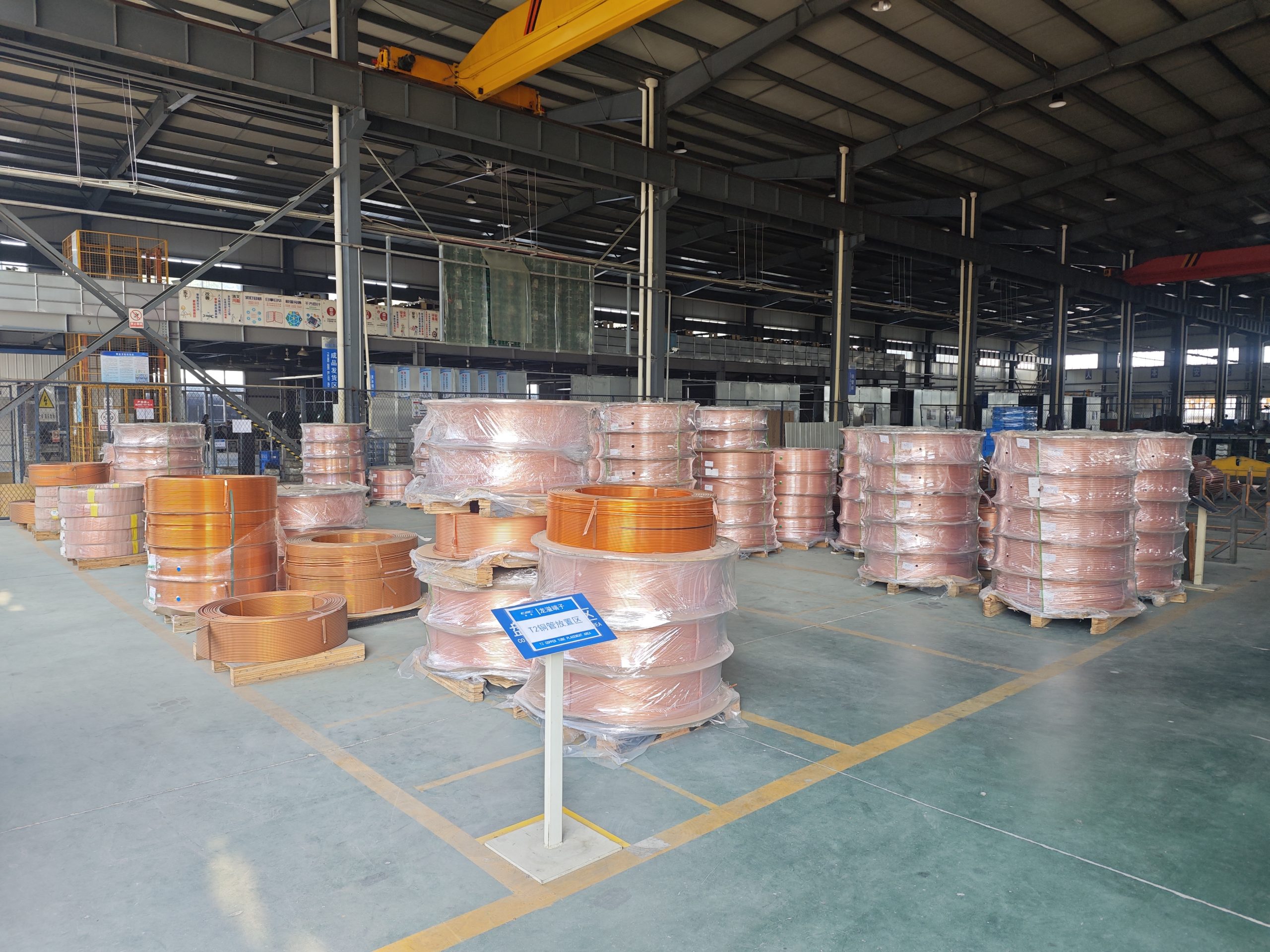
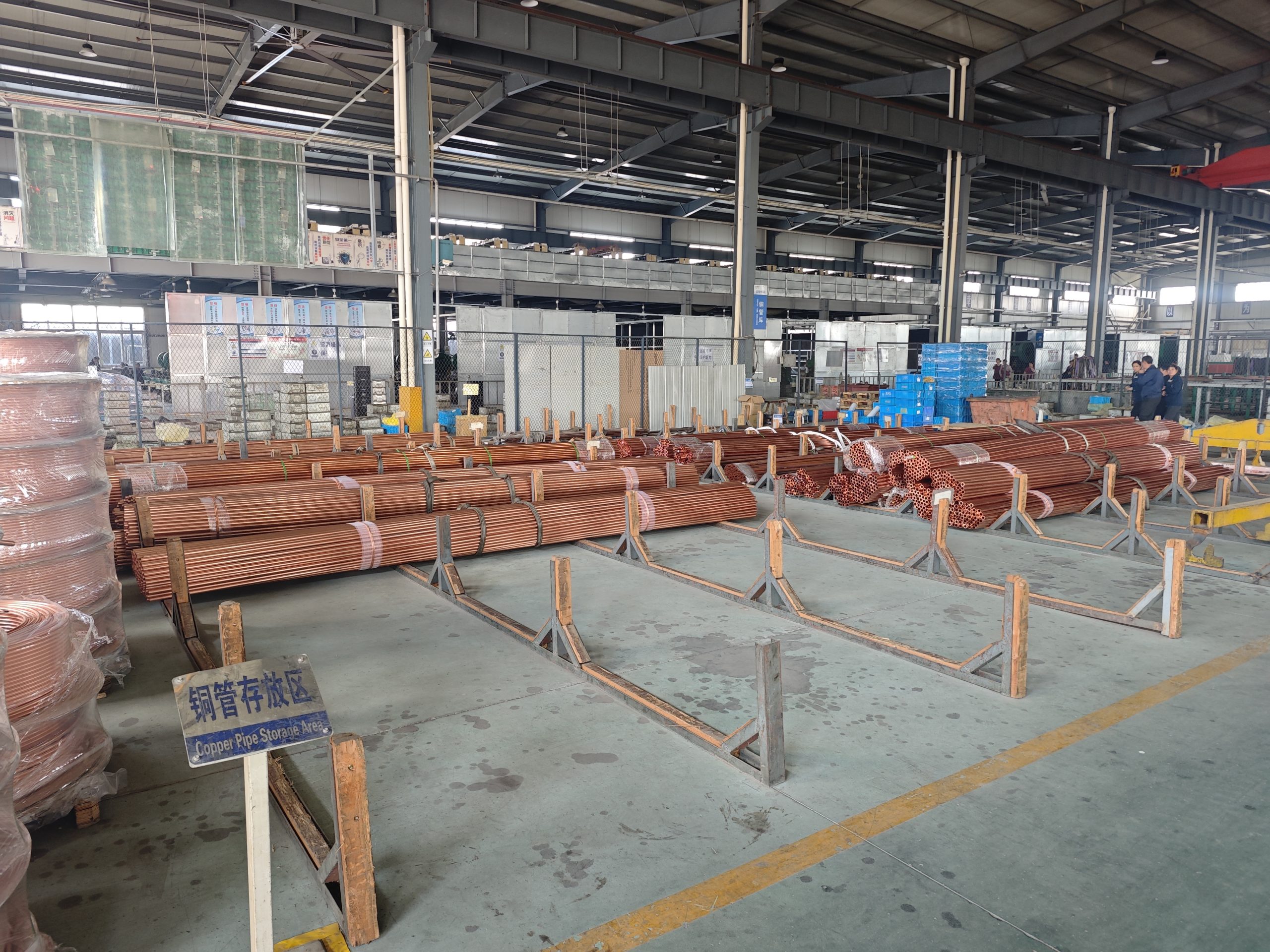
By using T2 copper from our self-owned copper plant, XLUIG ensures that every lug has the lowest possible internal resistance. This results in connections that run cooler, last longer, and maintain their integrity under heavy loads.
Conclusion: Investing in Purity
For critical infrastructure and high-end equipment, the terminal is not a place to compromise. Choosing T2 high-purity copper lugs ensures that your electrical systems operate at peak efficiency with minimal impedance. As a vertically integrated manufacturer, XLUIG provides the consistent material quality that Tier-1 brands demand, with the agility your project needs.